Cloud services and their impacts
I intend to shine a light on the wonder of cloud services through my blog, equipping you with the information to make informed decisions and embrace the cloud's possibilities. So buckle up as we embark on this thrilling journey into the digital skies, where the power of cloud services knows no bounds!
Cloud services refer to a wide range of computing resources and applications that cloud service providers supply through the Internet. These services are hosted on faraway servers and offered through the internet to customers and businesses on a pay-as-you-go or subscription basis. Because everything is managed and maintained by the service provider, cloud services eliminate the need for companies and individuals to maintain physical hardware and infrastructure. Some examples of common cloud services are:
Infrastructure as a Service (IaaS) is like renting a powerful computer in a virtual world. Instead of buying and maintaining physical computer servers, you can use virtual servers hosted on the internet.
Imagine you need a computer with a lot of processing power and storage to run a big project or host a website. With IaaS, you don't have to buy a physical server, which can be expensive and take up space. Instead, you can rent a virtual server from a cloud provider.
The best part is that you don't have to worry about the maintenance and management of the physical server. The cloud provider takes care of all the hardware stuff, like keeping it running smoothly, making backups, and handling any technical issues.
So, IaaS is like having a virtual powerhouse at your disposal, where you can quickly scale up or down based on your needs. It's flexible, cost-effective, and allows you to focus on your projects without the burden of managing physical infrastructure.
Some examples include: Rackspace, Amazon Web Services (AWS), Cisco Metapod, Microsoft Azure, Google Compute Engine (GCE)
Software as a Service (SaaS): Imagine you want to use a computer program, like a word processor to write a letter, a photo editor to edit pictures, or a calendar app to keep track of important dates. Traditionally, you would have to buy and install these programs on your computer, just like how you buy and install games or apps on your phone.
But with SaaS, things become much easier! It's like having a magic genie who provides you with the software you need, without you having to worry about installing anything on your computer. Instead of buying and downloading the program, you can access it directly through the Internet.
Popular examples include email services, office productivity suites, and customer relationship management (CRM) software. Google Workspace, Dropbox.
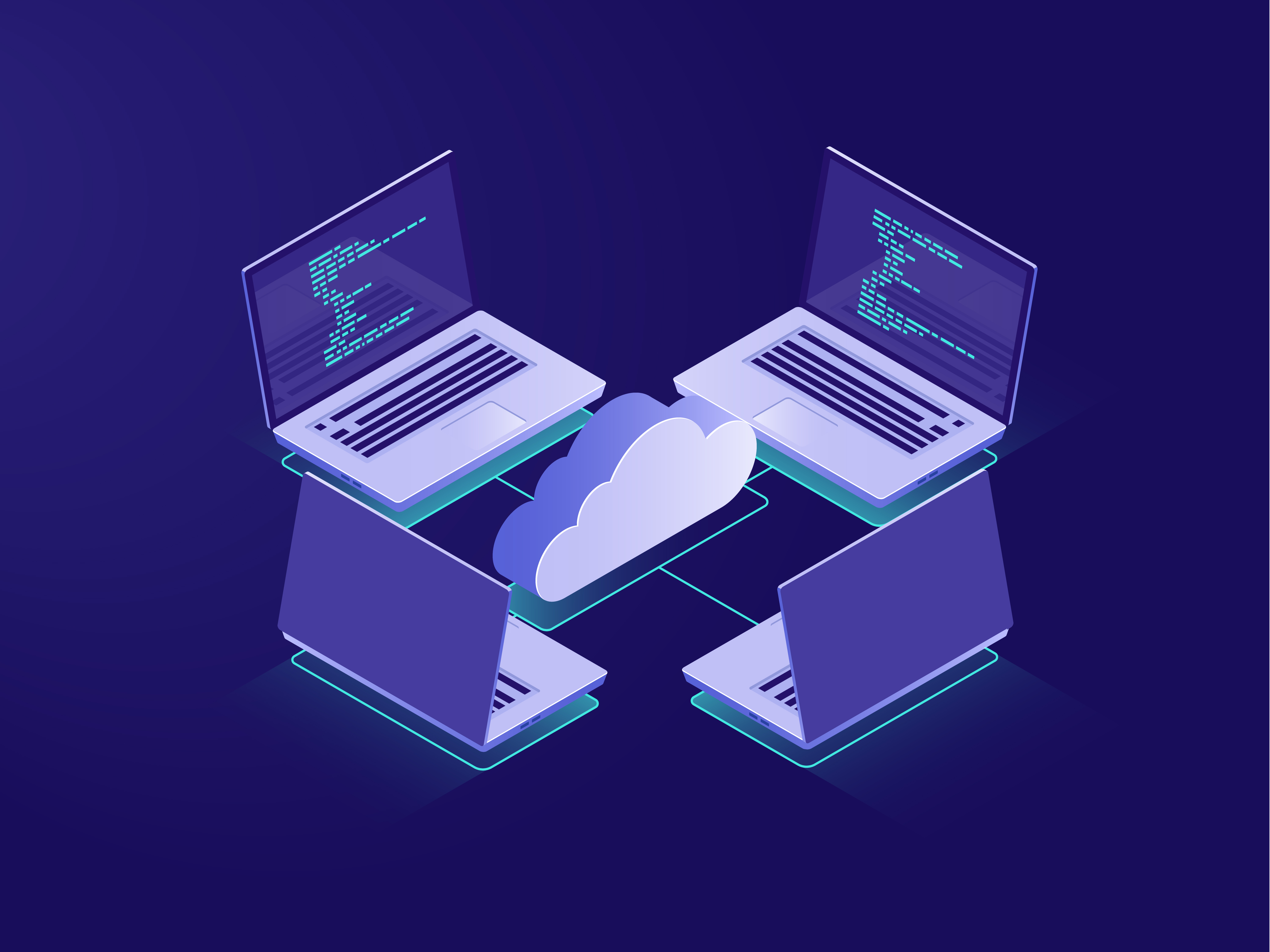
Platform as a Service (PaaS) is like having a ready-to-use workshop for building and running your software applications. Imagine you want to create a cool app or a website, but you don't have the tools or space to do it.
With PaaS, you don't have to worry about setting up the workshop or buying all the tools. It's like a magical workshop in the cloud that gives you everything you need to build and run your applications.
PaaS makes the process of creating and running applications much easier because you don't have to worry about the nitty-gritty technical details. It's like having a workshop genie that takes care of all the infrastructure, so you can concentrate on bringing your ideas to life and making your application awesome! Some examples are: AWS Elastic Beanstalk, Windows Azure, Heroku, Google App Engine, Apache Stratos

Conclusively, these cloud services enable businesses and individuals to access a wide range of computing resources and applications with flexibility, scalability, and cost-effectiveness, making it a transformative force in the world of technology and business operations.
if you find this impactful kindly like, comment and share.


